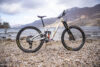
The Fox 38 gets the Float Glidecore air spring, generative-designed arch and greater bushing overlap to produce their greatest single crown enduro fork yet.
Pete heads to the Borders in a rare dry trails scenario to give the new Fox 38 a run out that have had a complete overhaul from the outgoing version.
Photos by Pete Scullion.
Key features:
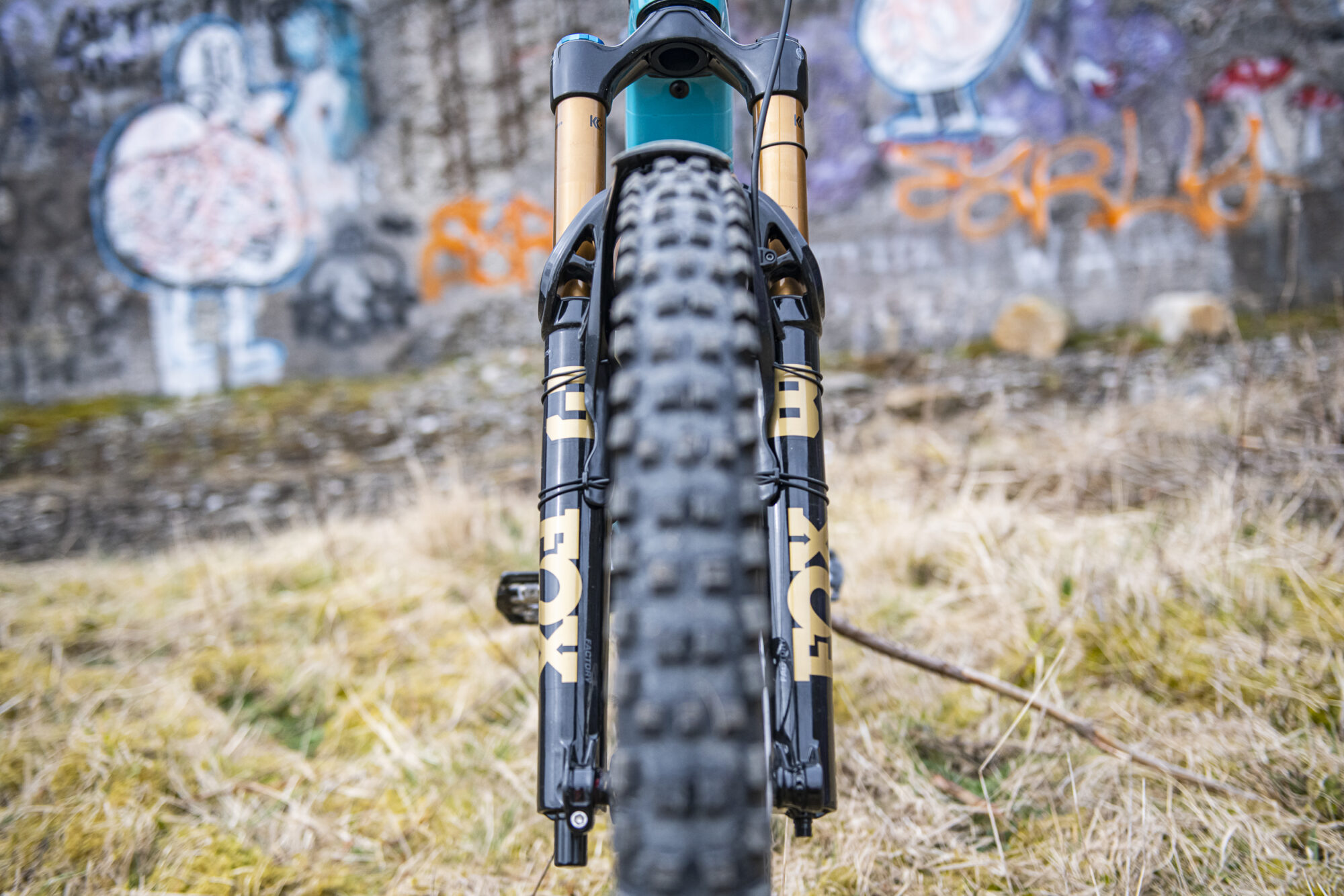
- 160, 170mm (seen here) and 180mm travel
- 29″ or 27.5″
- 44 and 37mm offset (44 seen here)
- 15 x 110 Floating axle
- 180-230 rotors
- 2.6″ max tyre
- Weight from 2000g
- £1,439.00 RRP
- RideFox.com
Five years since the Fox 38 fork came to market, the enduro fork has had an overhaul that leaves it considerably better than an already very good fork. The aim of all these changes is to be stiffer where it needs to be, to allow for a smoother fork with damping that takes some of the heavy lifting off the air spring and allows each click to have more of an obvious change.
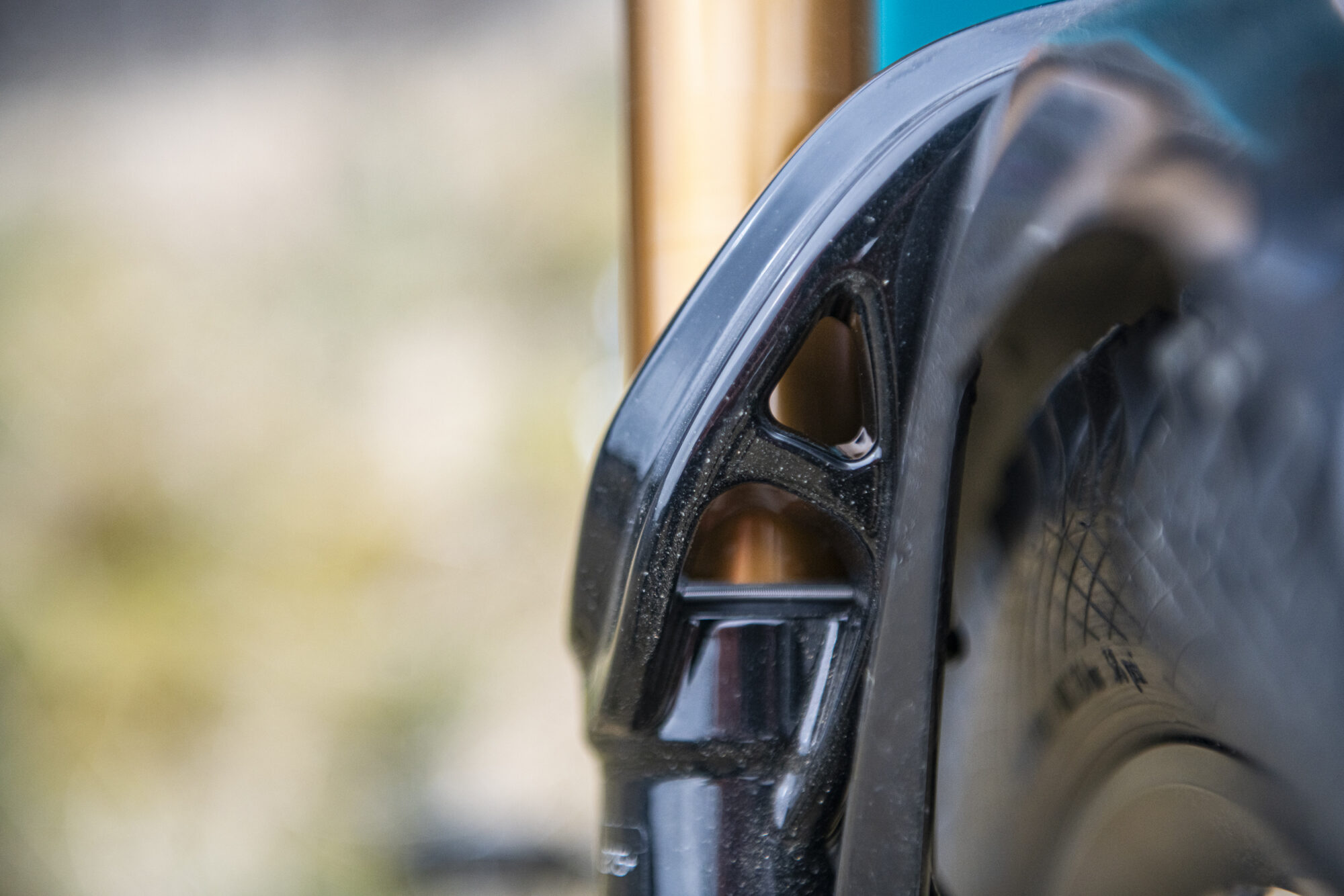
We’ll start with the legs… As with the 36, the generatively designed lowers have relocated bypass channels, new bleeder valves and arch cutaways to make the best use of material. The Float Glidecore air spring carries over from the Podium and serve to offer far less friction under compression for a much smoother ride.
This in turn with 20mm more bushing overlap aims to provide suppleness for days. A GripX2 damper also is squarely aimed at giving more support whilst maintaining grip and suppleness, as well as sitting higher in the travel than previous offerings. That’s what the marketing bumph says anyway. The proof would indeed be in the pudding.
Having recently ridden the then current 38 on my Specialized Levo 4, the new set were bolted onto a similar ebike, a Yeti LTe C2 Factory. A quick setup via the Fox app and we’d winch our way up a very dry Golfie in Innerleithen. First impressions were that the fork was far too soft, but the sag was on the money…
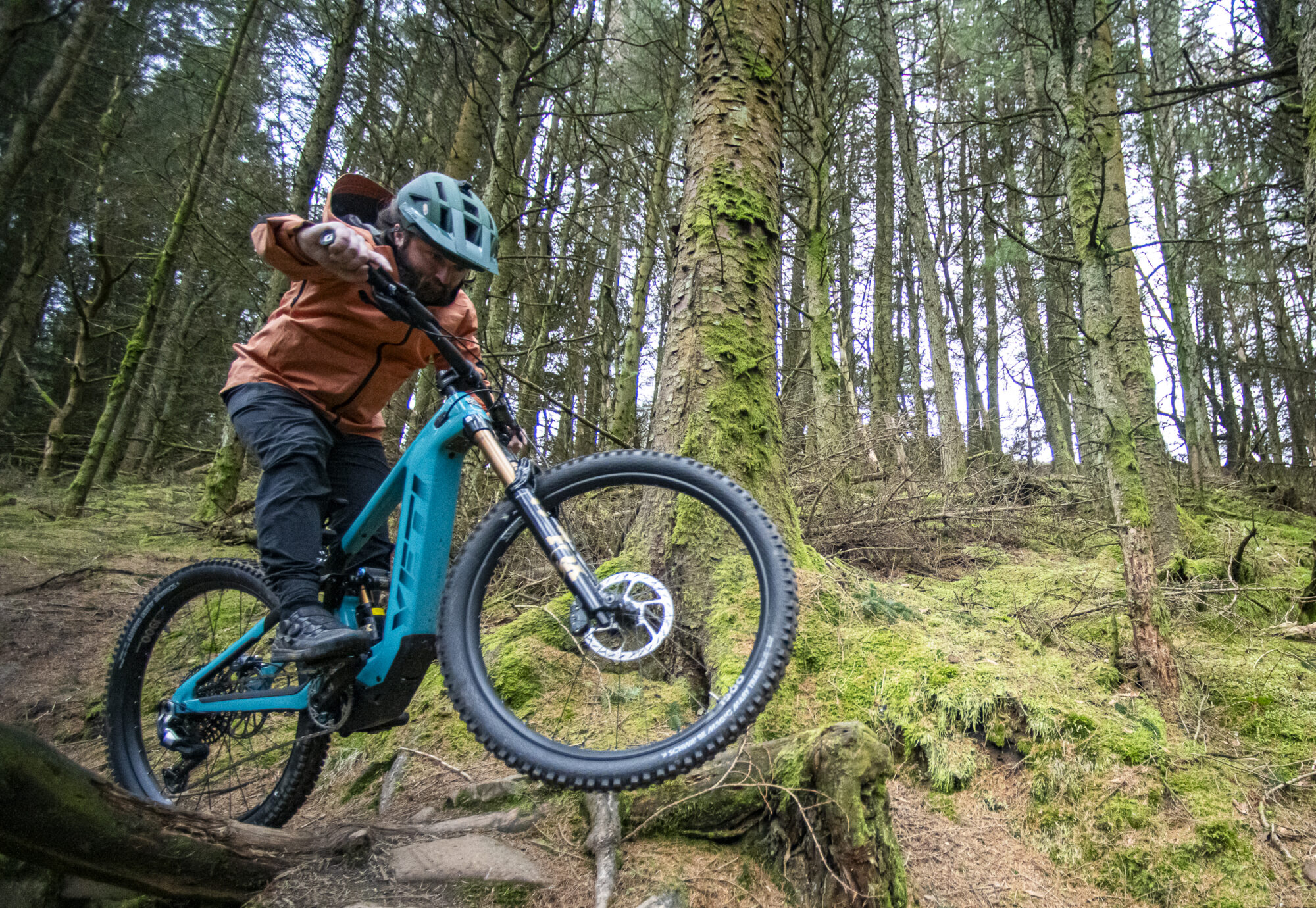
A few more runs to get the feel of the bike and the fork and it was quite obvious that the tracking and hits were unsettling the fork. First things first I slowed the Low Speed Rebound down by four clicks. This instantly brought a calmness about the fork that also shot the front wheel grip through the roof.
The next issue was the fork sitting low in its travel. Surely that’s the opposite of what this fork was supposed to do, right? I added four clicks of both High and Low Speed Compression. Boom. We have a winner. Riding unfamiliar trails on an unfamiliar bike plus a new fork, with confidence, is something that usually points to everything being the way it should be.
From here, I merely worked on increasing the pace and relying on the fact that whilst wonderfully supple, the fork didn’t dive into the notorious mid-apex root steps that characterise the Golfie. Confidence was high and only stymied by the slightly over stiff handlebar on the Yeti LTe. There was also no give in the terrain as it was dry and fast, what a treat.
Fox haven’t reinvented the wheel here. They’ve simply taken their existing technologies and poured them into the 38mm chassis. That said, these forks are quite a step change compared to the outgoing offering. They manage to actually live up to the hype, and haven’t added much, if anything, to the weight of the fork. The Zeb Ultimate has some serious competition.
These will swap out the forks on my Saracen Ariel 60 Elite so look out for a full review coming over the horizon in the very near future.