YT Industries launched the IZZO last week, a 130mm travel, 29er that has a slightly different thought process to other bikes with the layout.
Designed as an all-day mission bike rather than the short-travel gallopers most brands put out with this wheel and travel combo, the YT Industries IZZO is a slightly different beast.
Pete had a chat with YT Industries chief technical officer Chris Hilton to see how the got the IZZO from concept to reality.
Action shots by Ale di Lullo.
What made you decide to make a short travel 29er?
One of the big motivators was recognising that not every rider lives in areas where the terrain requires a full blown enduro or an all-mountain bike. We have the CAPRA and JEFFSY, that are great choices for long travel riding. There are vast areas in the world that don’t feature giant mountains and extreme downhills, but there are still amazing trails.
So, we focused on the idea that we want to create a bike for riders looking to ride a lot of trails and head out on long rides. We wanted to build a bike that was light, efficient, and fast, but also had the ability to handle technical terrain. It’s built to be a YT, to feel like a YT.
Once you had made that decision, what happens next?
After identifying a target, we create product briefs that go into more detail. They describe exact things like geometry, weight, specifications, and other engineering input. But they also describe the less tangible or measurable aspects, like how it looks or how it feels. We create design briefs that try and capture a feeling or mood for the bike.
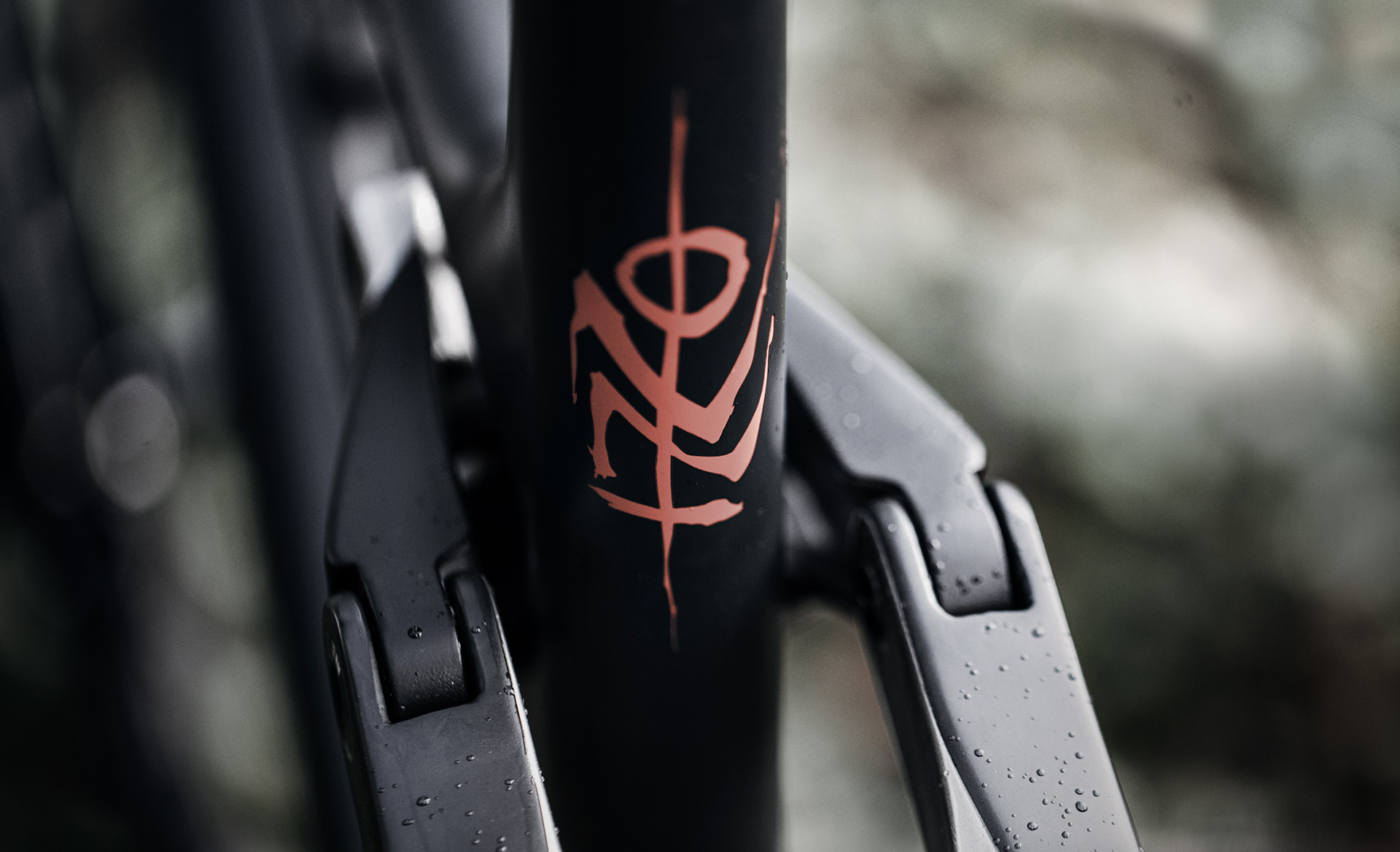
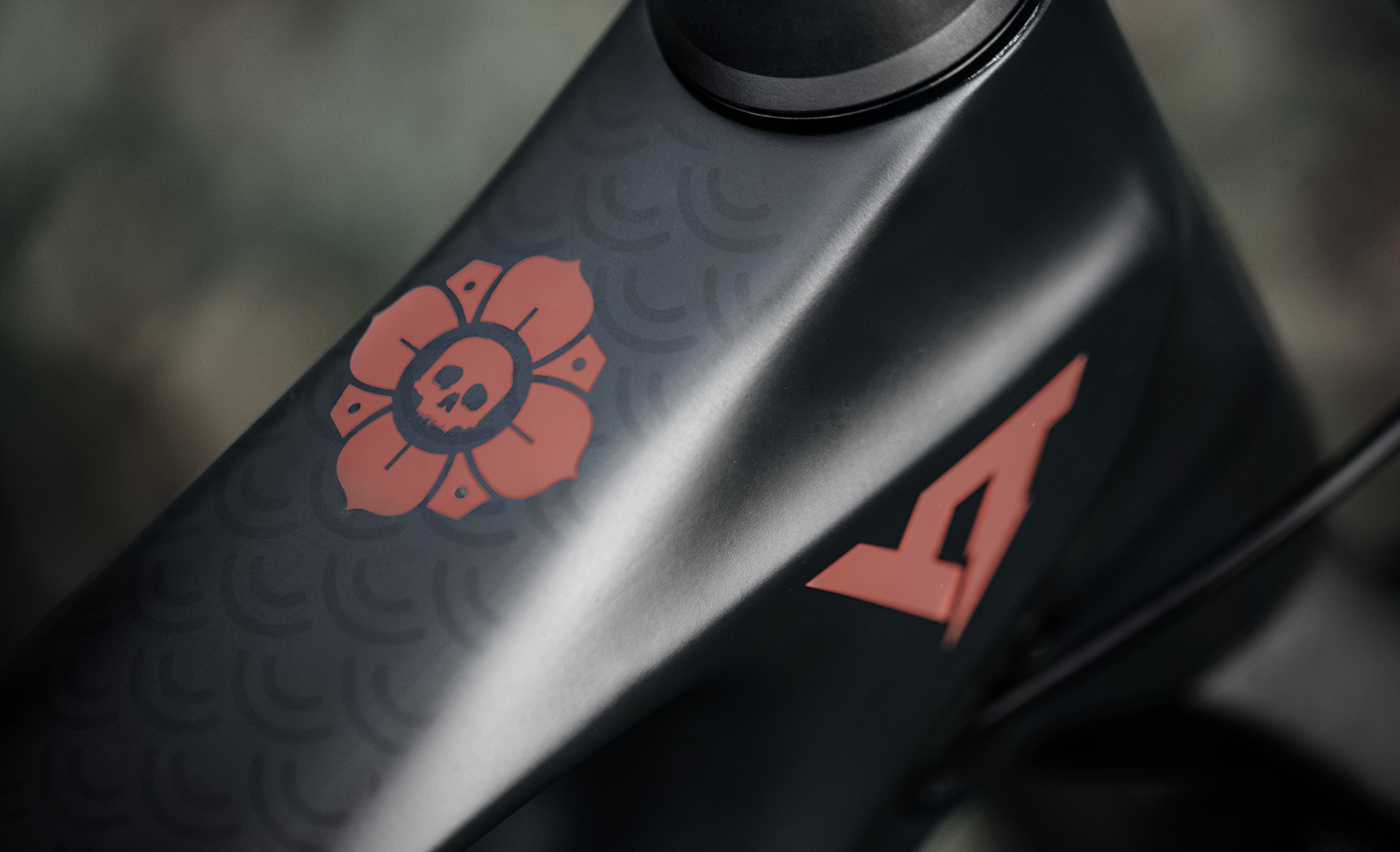
One of these briefs had a cool picture of a Katana. And when we started doing preliminary sketches of frame ideas, the sharp edge of the Katana always kind of found its way into the design. The Katana sword stands for a certain behaviour of the bike, but it’s also a styling cue to us.

Who is involved in that process and what do they do?
We have a team of developers, engineers, and industrial designers in Germany and Taiwan working on the whole project, each with their own area of expertise: From kinematics, frame design, geometry, construction, and specifications, it’s a team effort.
How much of the development process is done in-house?
All design and engineering is done 100% by YT industries, primarily here in Germany. We also have a manufacturing team based in Asia that makes sure our production is exactly what our engineering and design teams intend.
What did you know you did and didn’t want to do with the IZZO?
We wanted to create a true trail bike. Not a mini-enduro, which is what some brands have been doing lately. The IZZO has been built for the purpose of pure trail riding in the original sense of mountain biking. ‘Get out there, go far, go hard, go long, and get lost’. We focussed on pedalling efficiency, and effective climbing capabilities. But we required that the bike still have very capable and progressive suspension, like all YT bikes. Fit and comfort in frame sizing and geometry was also important.

How did you arrive at the new frame layout?
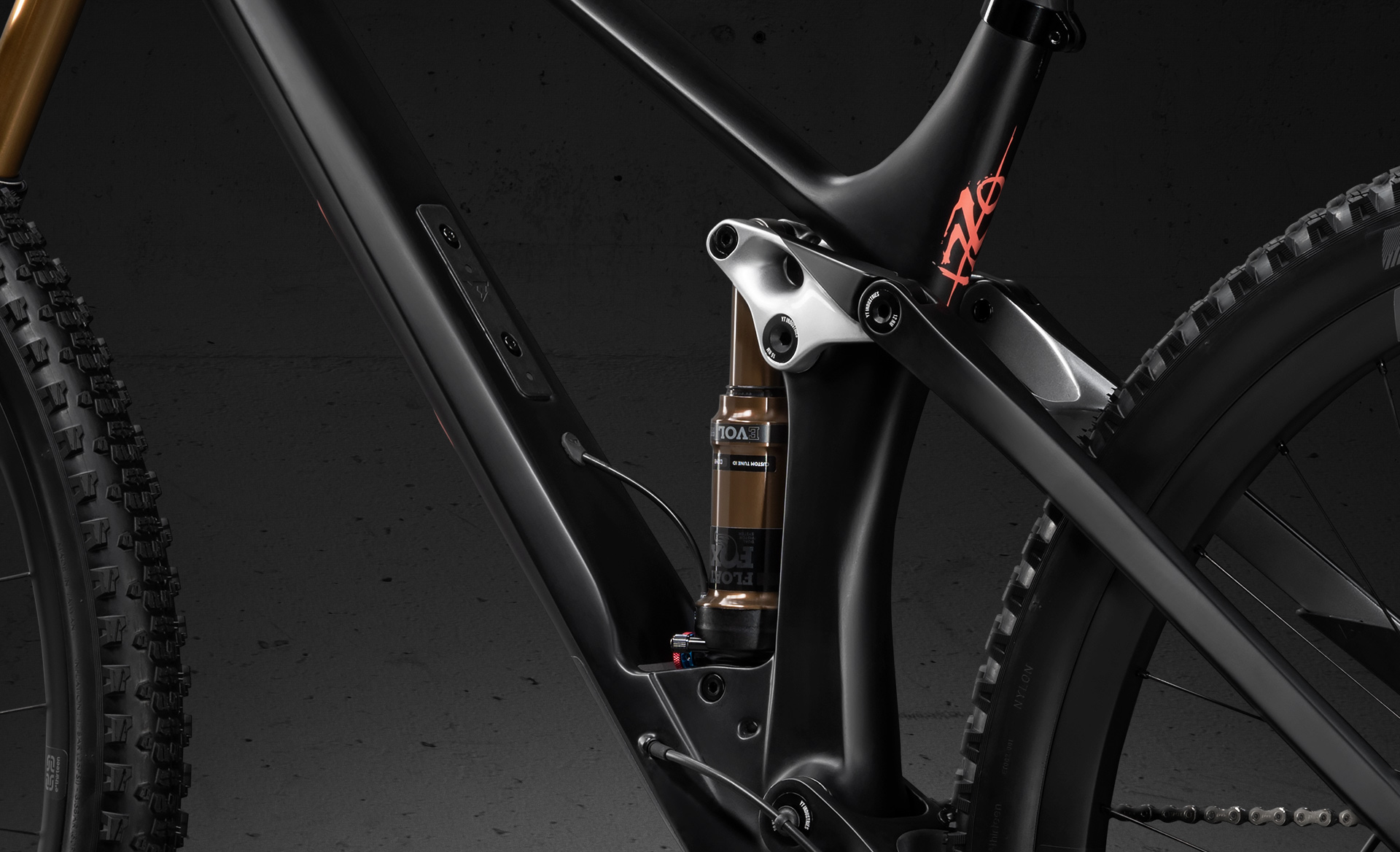
YT is known for our “V4L” (Virtual 4 Link) design. However, it is not the only thing we are capable of doing. In the case of the IZZO, the suspension layout that we used allows us to build a lightweight and efficient frame, and get all the features, fit and performance out of the bike. We design suspension layouts that help us build the best bike possible, not to be able to tell a slick marketing story.
Was the new suspension layout to achieve a certain ride quality?
Yes, it allowed us to keep the progressive YT suspension nature and minimise weight. But it also allowed us to build all frame sizes we wanted and fit a full-size water bottle.
Do you try and keep frame sizing consistent with the range, or do you use new bikes to introduce new sizing?
Obviously frame sizing has gone through significant changes in the last few years. Geometry also. We do not necessarily rely on consistency here. We create detailed size charts to help our customers pick the best size for them. And there’s always some grey area, as well as personal preference.
As bikes evolve, we evolve as well, and there’s always efforts to try and make the new bikes better. Personal preference plays a huge role, and we want to make bikes that aren’t so extreme that they turn people off. We want our bikes to be great bikes that people can live with day in and day out.

How did you nail down the geometry?
Trial and error is a big part of it. Experimentation. Again, personal preference makes it hard. Especially as this is a new category for YT, we were pioneering some new areas internally. But we also had the benefit of riding a lot of different bikes, seeing what we liked and didn’t like. At the end of the day, it’s usually pretty clear when you get “there”.
The majority of people will say “yeah, that’s it.” There are always the outliers, but you must find a good balance. Making a bike with good balance is key. Not too much Yin or too much Yang.
How many prototypes did you have before you settled on the production chassis?
Even after you go to production, prototypes keep moving. A good product is never finished, it just goes through an evolution of production. We see all of our bikes as a work in progress, and we always look for ways to make them even better. That’s the job of product development.
Beyond prototypes, what form did your testing take?
Of course, we meet all applicable ISO and international standards as required. But we also do our own additional, more stringent testing. We wanted the frame to be light, but we were not willing to accept sacrifices in durability or strength to get there. We test it to our own internal requirements that make us confident that the bikes are capable of meeting all our customer’s potential uses.
There’s also always a lot of suspension tuning and development after a frame can be ridden. It’s not just frame design, but shock and fork tuning and design and much more that makes the bike work properly.

Did you have any outside help for testing?
We have a ton of athletes, test riders and outside test labs that help us.
How did you choose the name for the bike?
It came up during a discussion about the characteristics of the bike. After deciding on the key attributes ‘Fast. Agile. Sharp.’ Markus (Markus Flossmann, YT Industries CEO) concluded them by saying ‘Is’ so’. That is an idiom in German which translates to ‘that’s the way it is’ or ‘So it is’. It is a confirmative, strong statement full of confidence. Similar to the TUES, which means ‘Just do it’ in German.
Favourite moments?
The very first really rideable frame out of the tool is always awesome. It’s never perfect, but you can see the details, feel it, get a really close look at it. We do 3D prints of full frames, but it’s never quite the same as a moulded part. For me, the best part of IZZO was the first ride on my home trail. It’s a trail that really suits the type of bike IZZO became, and I was really excited to see how it actually worked.
There are times when something does not quite measure up to what you expected or acts differently than you planned. But in the case of the IZZO, I was over-impressed. It delivered more than my expectations. At the moment, it’s the bike that I really look forward to pulling out on my home trails.

Any disasters?
Plenty of little things that felt like disasters at the time. But it all worked out. Disaster management is the key to success, not necessarily avoiding disaster.
Anyone to thank?
Everyone that works at YT and our partners and suppliers is what makes doing this job possible. The best product team in the world can’t do everything. We rely on everyone in the company to get us to the finish line. So, I’d like to thank everyone, but especially the mountain bikers that continue to support YT Industries. In the end, we do it all for the riders.