

Flat pedals have been in the line up a while, so we take a look behind the scenes at how OneUp Components brought their first clip pedal offerings from concept to reality.
OneUp Components launched their latest product, a thin, light, DH-rated clip pedal; but where do you start with such a project? Pete sat down for a chat with OneUp’s design engineer Peter Skarsgard to find out more.

What was the impetus for designing a clipless pedal?
We make the products we want on our own bikes. A lot of our staff ride clip pedals, and we wanted something that would meet our standards for performance, reliability, and serviceability.
Once you’ve made that decision, what happens next?
We rode, took apart, and bench tested a lot of existing clip pedals. We tried to figure out where we could carve out a niche, or what is missing from the current crop of clip pedals on the market. We chose our angle (DH pedal platform, trail pedal weight) and jumped into brainstorming and design.
How many people are involved in that process and what do they do?
Anyone at OneUp is free to submit ideas and share their perspective on the direction of a project. We bring these ideas into a series of design reviews held throughout the project’s development. Depending on the stage, these reviews could include representatives from sales, marketing, service, finance, operations, and engineering. Typically, a single design engineer leads the project. For this project, that’s me, and my role is to guide these meetings and ensure we reach a consensus on the project’s direction.
What did you know you wanted to do with this pedal?
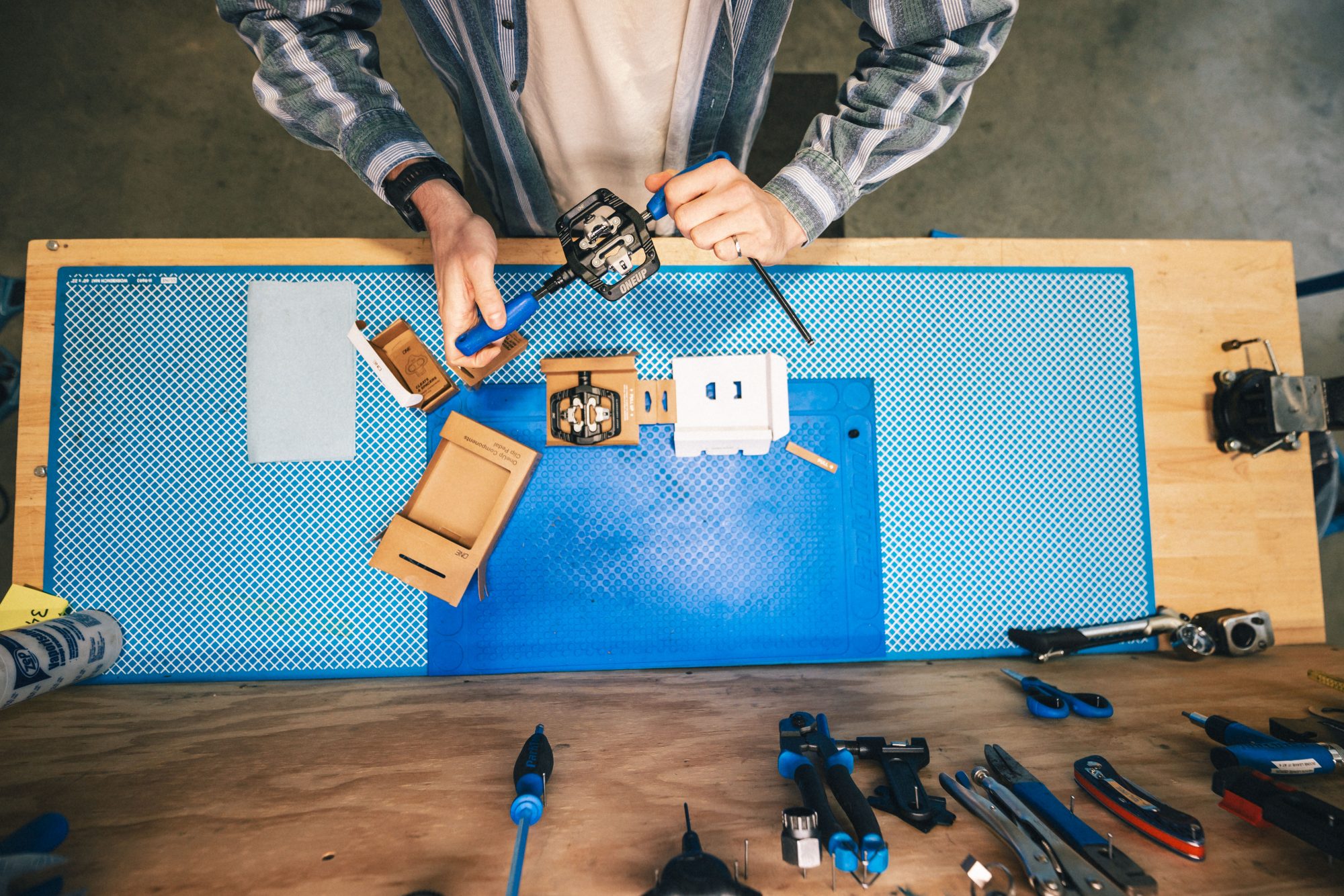
Early on in the project, we noticed that while thickness is a key consideration for flat pedals, very few companies prioritize making clip pedals thin. We decided that we wanted to make the thinnest clip pedal we possibly could, allowing us to make the platform much more supportive than others in its weight class.
How easy was it to decide on an engagement mechanism?
Pretty easy, the reality is that an SPD based mechanism works well, and is a familiar standard that a lot of people use. It’s easy to find replacement cleats anywhere in the world, and statistically speaking, most people who use clip pedals already have a set of SPD cleats. That said, we found ways to improve upon that system/standard, and we feel we’ve created something that gives our pedal a unique and premium feel while still remaining compatible with the SPD standard.
How did you narrow down the float options?
We focused on providing a float and release angle that feels familiar to riders. From rider feedback through our market research, we settled on the 5 degrees.

How did the pandemic affect the rolling out of the new pedals?
This project was largely unaffected by the pandemic as the demand for manufacturing had settled down by the time we were into the prototyping phase.
Does a Ti axle give anything more than a weight saving?
Ti axles are not something we’ve explored in a lot of depth up to this point… just yet.
Does it take long to get a working prototype in-hand?
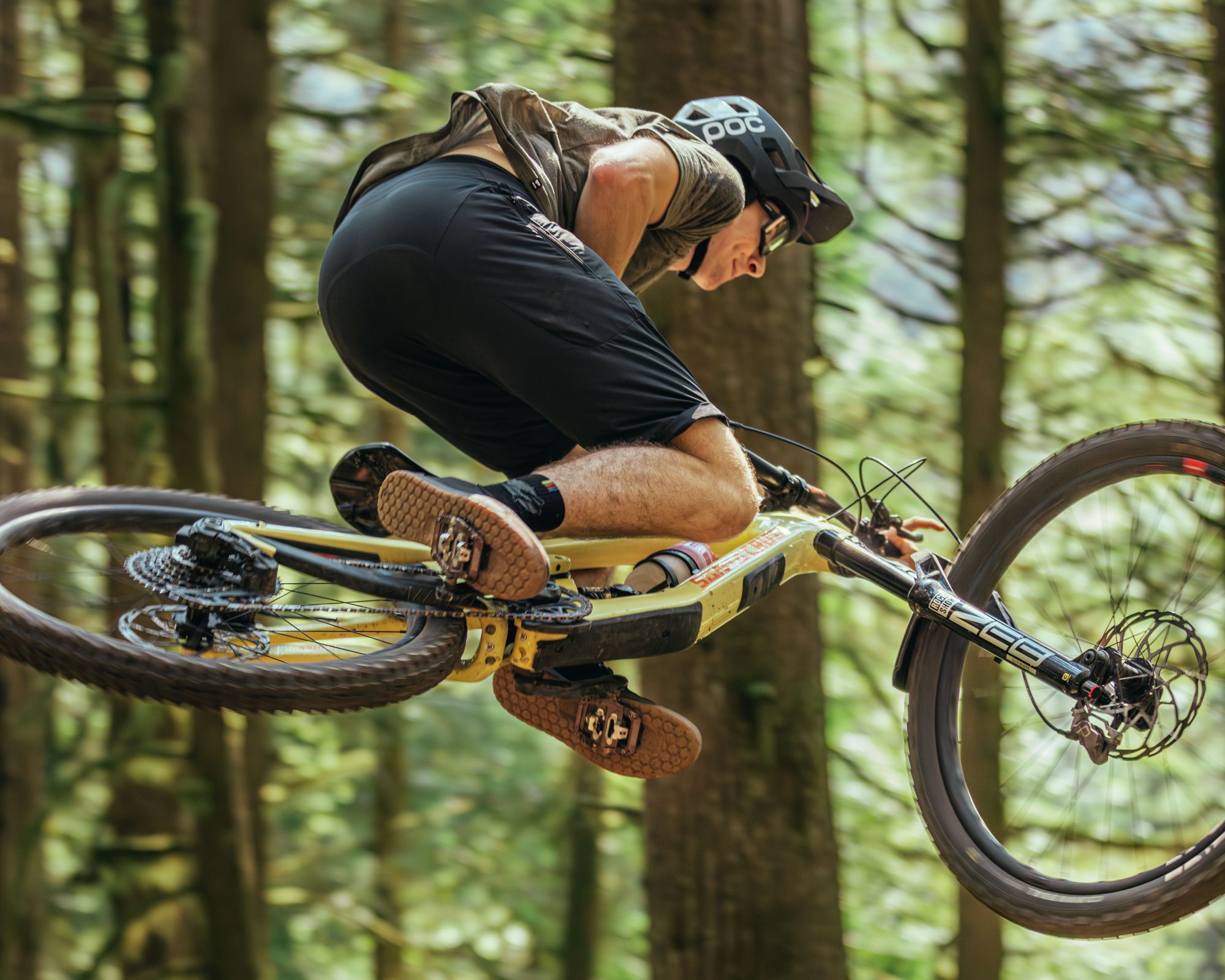
It always depends on the project, but in this case I was able to draw up a first prototype and have a rideable sample within a few weeks. I was actually quite surprised that with only a little jerry-rigging, I was able to ride that first pedal on real MTB trails and get a good feel for the areas to focus my design efforts moving forward. The purpose of that first sample was really to understand what I didn’t know about clip pedals and their many design parameters. It was exciting to be able to ride them, but it showed we had a long way to go.
How many prototypes did you make before settling on what would be the production model?
I believe we created five complete pedal prototypes: two at our prototyping factory and three with the vendor responsible for production. This doesn’t include the numerous prototypes we developed separately for components like springs, bindings, cleats, and axles.
Beyond prototypes, what form did your testing take?
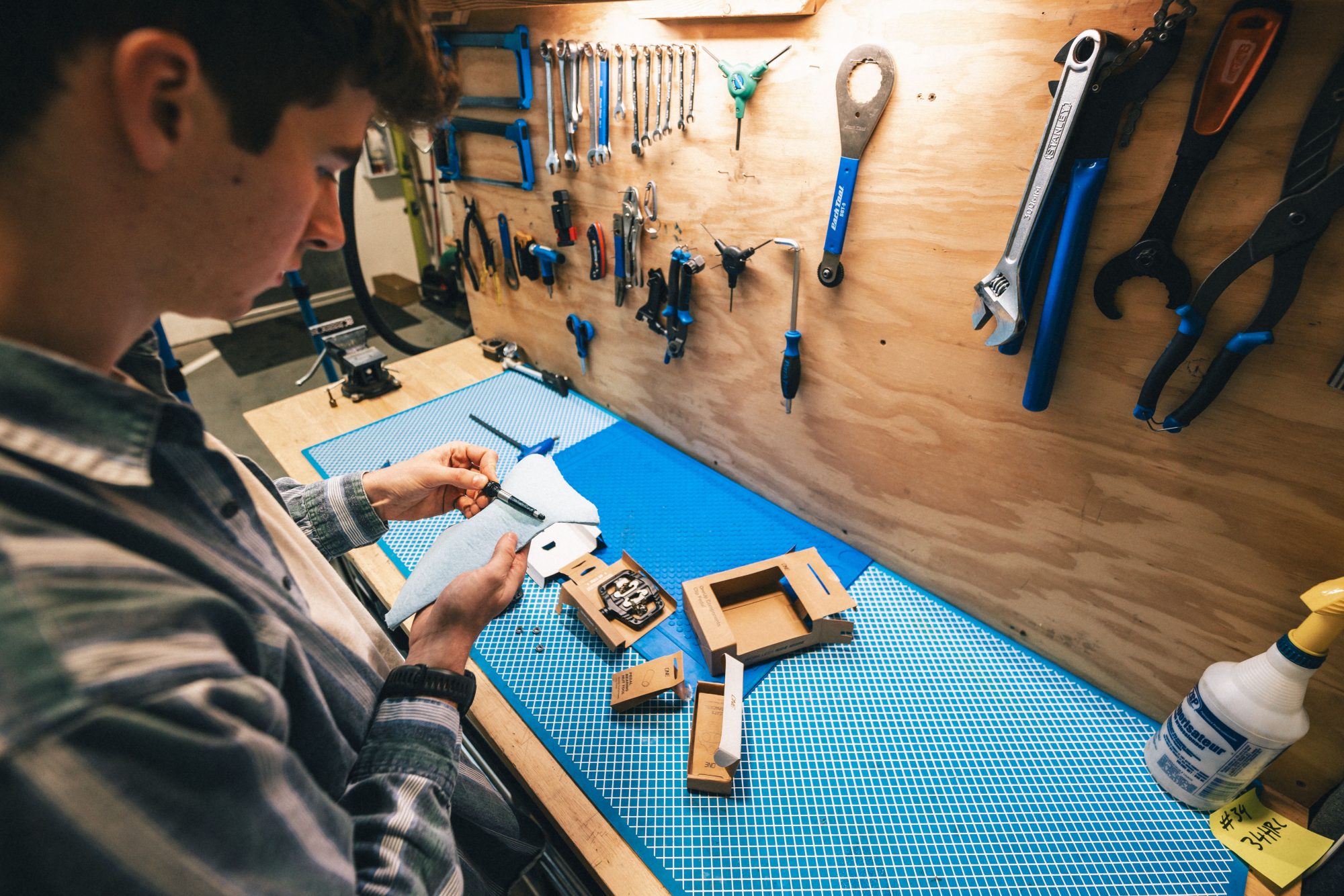
Finite element analysis, beam theory simulations (axles), impact testing, binding release torque testing, ISO+ testing (our own test standard that goes beyond the ISO standard), and some third-party durability testing, to name a few.
How important are athletes to testing new product?
Hugely important. We have a couple of high-mileage riders who ride rain or shine, year round, and put components through a lot of abuse. These types of riders are great for uncovering issues that we may not find in the lab during durability testing. We also gather feedback on performance and feel from our test riders, which plays a crucial role in shaping our design decisions.
Did you have a Eureka moment when you new you’d got it right?
Not exactly, it’s more of a gradual process of refining and improving through incremental steps. By the time we reach the final product, it feels more like the last piece of the puzzle falling into place. I guess you could say that the moment we knew we’d gotten it right was the day we signed off on production, but even that doesn’t feel like a true “Eureka” moment because of all the work and steps leading up to it.


