


OneUp have been at the forefront dropper post performance and have upped their game again with third iteration, the V3.
With claims of being shorter, lighter, more reliable and smoother than the outgoing model, OneUp look to have made their dropper even better.
Photos by Pete Scullion.

Key features:
- 90mm / 120mm / 150mm / 180mm / 210mm / 240mm travel options
- 30.9 / 31.6 / 34.9 diameters
- Internal routing only
- 30mm compressed stack height
- 480g (150mm, 31.6mm)
- £291.99 RRP (post only)
- OneUpComponents.com
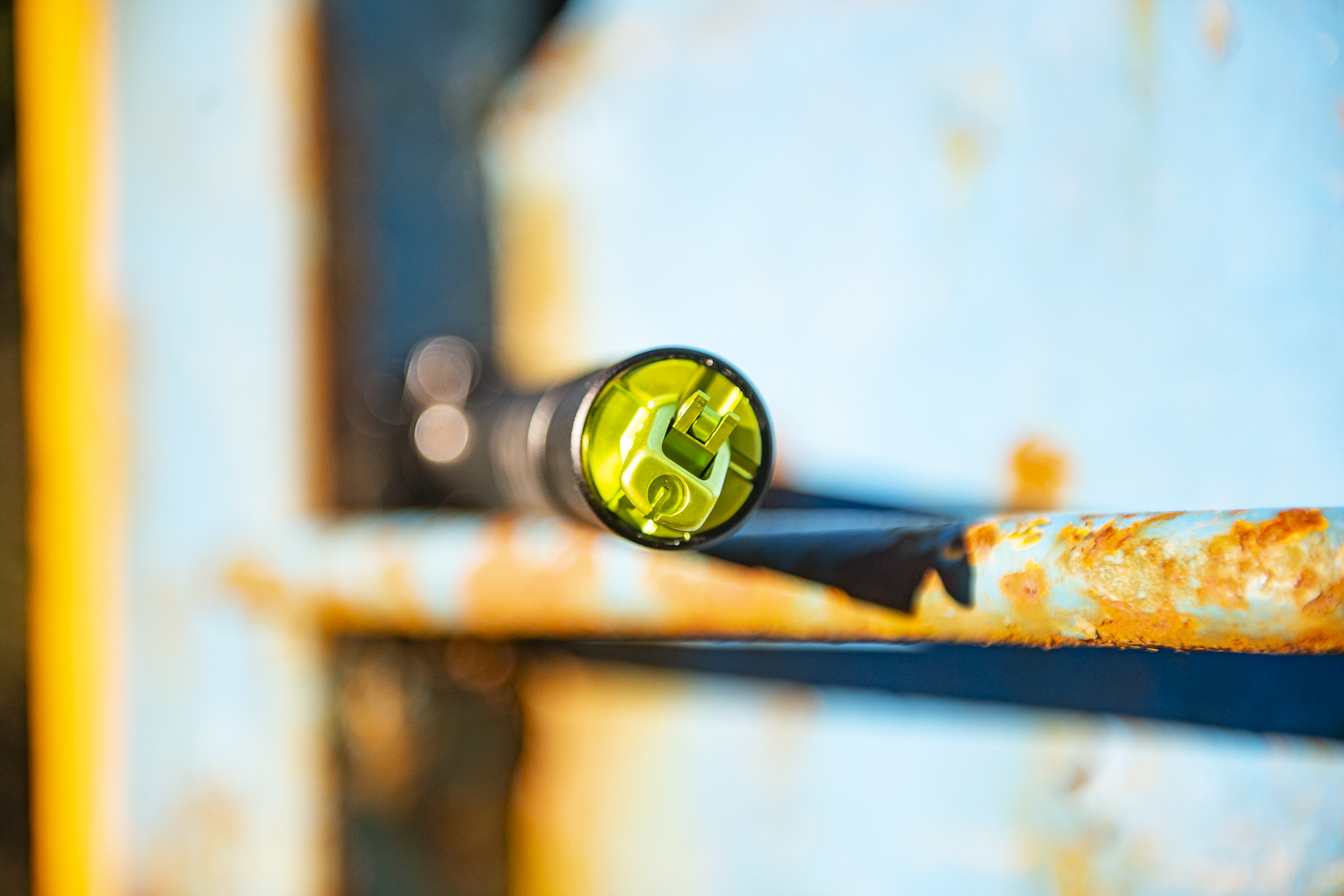
OneUp’s V2 dropper was the one to beat as far as I was concerned. It took all the good things about various other droppers and merged them into one fantastic offering that just kept working. When it stopped, you didn’t need specialist tools or anything more than common sense to service.
Now, the V3 dropper aims to have improved on all of that. Lighter 60-70g, mostly thanks to a new cartridge system but with weight savings elsewhere, it’s now lighter than Fox’s 2-position Transfer SL but without the only all the way up, or only all the way down option. You can trim another 10g with the Ti bolt upgrade kit too.
That new cartridge, OneUp claims, drops required lever force by 75% and less force to initiate, meaning quicker drop or rise whenever you need it. New self-lubricating IGUS bushes reduce friction too. 180-240mm posts also get an additional bushing to improve overlap. An SKF wiper seal also aims to keep the dirt out for longer. You also get double the number of anti-rotation pins and two extra oversized polymer pins.
The V2 was always popular for its low stack height and overall length for any given drop, and the stack height at full compression has dropped by 3mm and overall lengths by 10mm. That new cartridge is also 100% recyclable too.

Installation was as simple as a cable-actuated dropper should be. Lever action is smooth and light, and the dropper in the car park test did feel buttery smooth as well. The V3 replaced the YT Postman on my YT Jeffsy Core 4, and came in a fair bit shorter for the same drop, the weight difference noticeable in the hand too. Recessed bolt faces on the saddle clamp made getting the saddle swapped a treat.
From there it was simple a case of tweaking the saddle height at maximum travel as I put a fresh test saddle on the bike and away we went. Even under a thick gloved thumb, the actuation was a delight and there was a noticeable change in how the dropper… well, dropped when asked. Even in some sub-zero temperatures the post was a delight.
Right now, the post has been on the bike for a fortnight, using three different levers (OneUp’s own, the YT and a SDG Tellis lever) and all seems to be in order. The OneUp lever has the benefit of the rubber button that you can select a colour for, and is a touch on the smoother side, but in general, you’re looking at the smoothest actuation and action I have experienced.
It’s too soon to start talking about reliability but the OneUp is famed for its ease of maintenance, and if the improved sealing is up to the late Scottish winter it’ll be dealing with, then it’s likely to be a fair way down the road before I’m even considering that.
So far so good then. OneUp appear to have raised their own game, which was, in my opinion, already class-leading. It’s now lighter than most other posts, on the money price-wise and offers more drop for less overall length than ever. It should also last longer before you need to service it. Winner.


