Could the new Deposit Return Scheme coming into force drop single use pollution in wild spaces by 25%? Trash Free Trails certainly think so.
Reloop, the new Deposit Return Scheme coming into force in 2027 could be a major boost for our ecosystems as Trash Free Trails predict a 1 in 4 drop in litter as a result.
Photos by Pete Scullion.
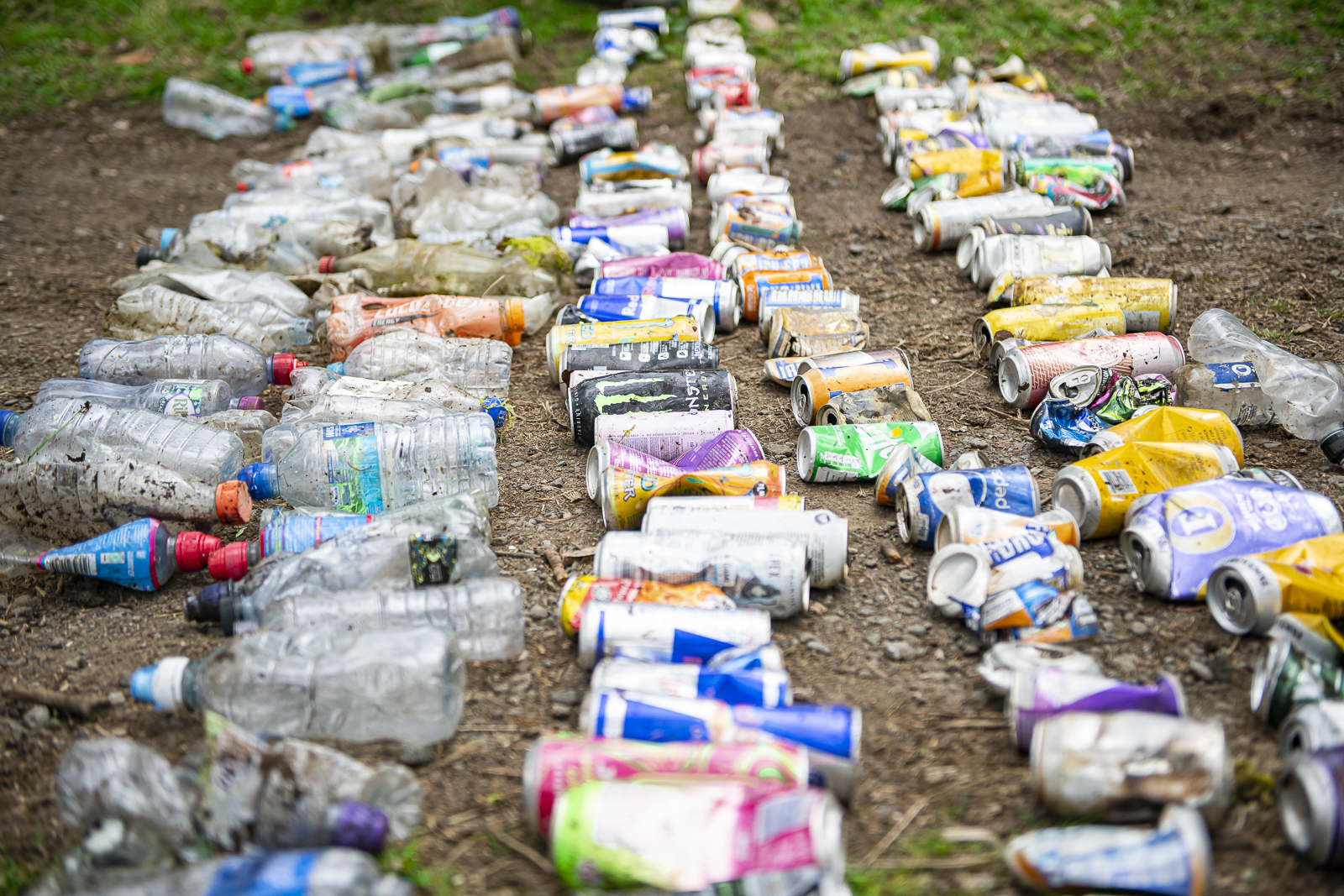
KEY STATS
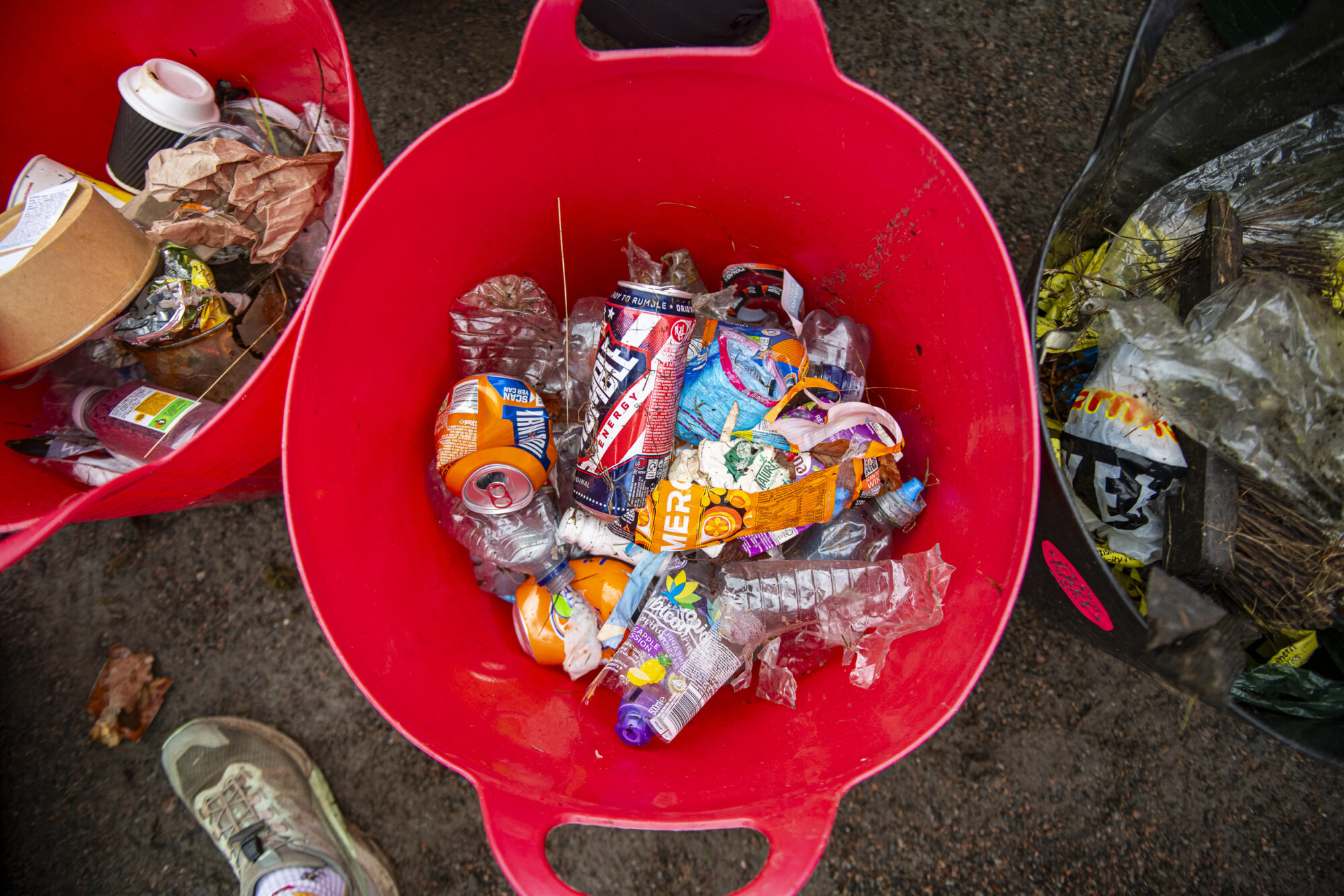
- 1 in 4 items of litter on UK paths, parks and public rights of way are drinks containers
- On October 1st 2027 the UK’s Deposit Return Scheme for drinks containers comes into force, which could see litter levels drop by over 25%
- 740,000 items of litter have been removed and recorded by almost 10,000 Trash Free Trails volunteers
- Trash Free Trails’ research suggests there could be potentially 2.4 million fewer drinks containers across the UK’s public rights of way by 2030.
- 71% of the UK public support the Deposit Return Scheme (Reloop)
New Report from not-for-profit Trash Free Trails forecasts 1 in 4 items of litter could disappear in the next few years, thanks to the Deposit Return Scheme (DRS).
With just 11 months to go until the UK’s Deposit Return Scheme for drinks containers comes into force, the message from not-for-profit Trash Free Trails is clear; this scheme will be worth the wait.
Trash Free Trails, alongside many environmental organisations, have been steadfast supporters of DRS for years. Their world leading research on the prevalence, composition and impact of litter on recreational trails, the State of Our Trails Report, has identified that 25% of litter on public trails, parks, woodlands and national parks are drinks containers. In this year’s edition of the Report they look to international examples of DRS to project the potential rewards the UK’s green spaces could reap once the scheme comes into effect on October 1st 2027
International Deposit Return Schemes report up to an 80% decrease in drinks container litter after 12 months. If similar levels were to be achieved in the UK, Trash Free Trails estimate this could see 2.4 million fewer drinks containers on public rights of way, causing harm to plants, wildlife and communities.
Less litter breeds less litter
DRS will see an additional 20p deposit added to PET plastic drinks containers and aluminum and steel cans between 150ml to 3 litres, redeemed when containers are taken back to return points. Returned drinks containers will then be recycled and the material used in further bottles and cans, enabling an estimated 26 billion plastic bottles and cans (Reloop, 2026) to be repurposed, promoting a circular economy. In Wales, the scheme will go a step further and also include glass and a roadmap to reuse.
Alongside a wealth of international deposit return schemes which highlight reductions in litter levels, Trash Free Trails look close to home in their latest ‘State of Our Trails Report’, using the success of the Republic of Ireland’s scheme, introduced in February 2024, to showcase what could be possible in just a few years time. Surveys show that drinks container litter was 60% less common after just 12 months of DRS. (IBAL, 2025)
The State of Our Trails Report goes beyond drinks containers however, to explore how DRS has further knock-on benefits. TFT pulls from international examples to highlight that fewer bottles and cans littered will contribute to a significant reduction in other types of litter overall – by as much as 47%. (Reloop, 2021)

“The deposit return scheme will not only be a win for drinks brands looking to reduce their prevalence in our trash surveys,” says TFT’s CEO Dom Ferris, “This will also create systemic waves across the single-use economy. By reducing the numbers of drinks containers that are littered, we’ll see meaningful reductions in other types of litter too. With less prominent, upsetting and damaging items like drinks containers littering our wild places, we’re signalling that litter is unacceptable and everybody can play a part in protecting the places we love.”
DRS benefits wildlife and the economy
Trash Free Trails’ Report also sheds light on the broader ecological benefits of DRS beyond reduced litter and increasing recycled packaging. With 5% of their trash surveys reporting signs of animal death, often due to entrapment in bottles and cans, DRS will have substantial knock-on benefits for wildlife, particularly keystone species found in some of the UK’s most precious habitats.
“We have hundreds of surveys each year which report evidence of animals becoming trapped in bottles and cans and dying – in places as remote as on Yr Wyddfa (Snowdon) in Eryri National park,” continues Dom Ferris. “No animal deserves such a death, but in crucial ecosystems like that in our national parks, these animal deaths aren’t just numbers – they’re increasing the risk of ecosystem collapse in places already facing mounting pressure from climate change. With DRS introduced, in less than 5 years we’ll see a massive reduction in cases of animal death.”
Read the State of Our Trails Report
As well as their forecast of the scheme’s environmental success, TFT’s new Report also helps as a helpful guide to DRS in the UK, outlining what to expect, how to support the scheme’s introduction, and where areas for improvement down the line are.
“We’re such advocates of DRS not just because of the environmental need – but because it’s a truly collaborative initiative, bringing together businesses and organisations from across industries to one table to find proactive solutions to protect our wild places. This isn’t just a tick box exercise – DRS will be the start of change on a far bigger scale.”
Alongside the release of the State of Our Trails Report TFT volunteers are heading out to their trails across the country to count and remove drinks containers, continuing their efforts to collect accurate citizen science-powered data, and count down the days to the introduction of the scheme.
Trash Free Trails is a community not-for-profit on a mission to (re)connect people with nature through the simple yet meaningful act of removing single-use pollution from places they love.
They work across conservation, education, events and research. Their unique ‘State of Our Trails Report’ is a leading UK study on the levels of single-use pollution on recreational trails.
As of October 2026 their community has removed and surveyed 740,000 items of pollution from trail ecosystems, enabling over 9,000 people to connect with wild places.