The new Merida Lithos sits in between the ETMO and the eOne-Eighty as their flagship ebike to replace the venerable eOne-Sixty.
Now sporting a similar silhouette to its powered brethren, the Merida Lithos is an eOne-Sixty revised. Sporting the new Gen 5 Bosch motor, 174mm rear wheel travel, Mullet wheels as standard and the option to run the cables through the head tube rather than through the headset. So has much actually changed?
Photos by Pete Scullion.
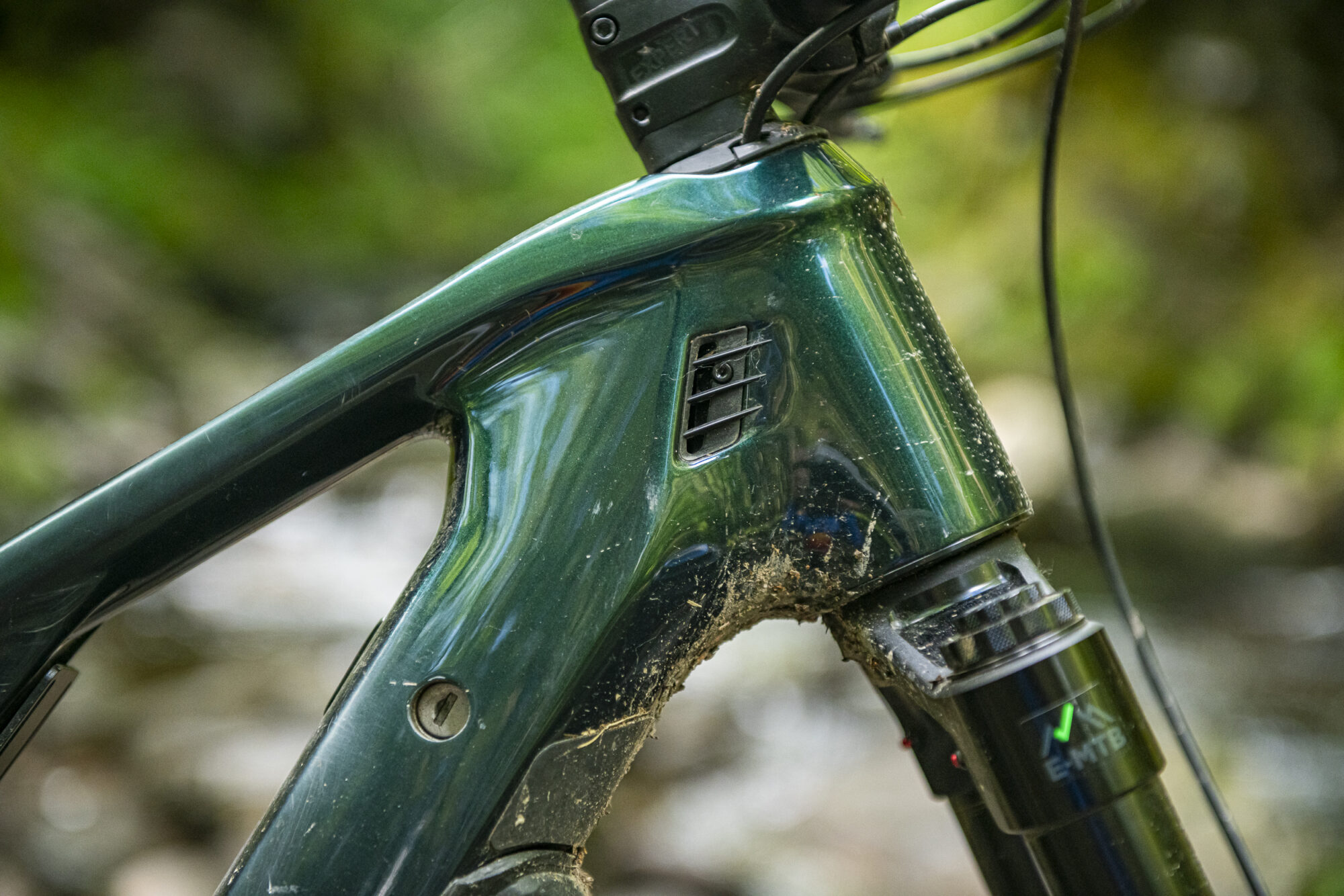
Key features:
- Rockshox Zeb Ultimate 170mm Charger 3.2 fork
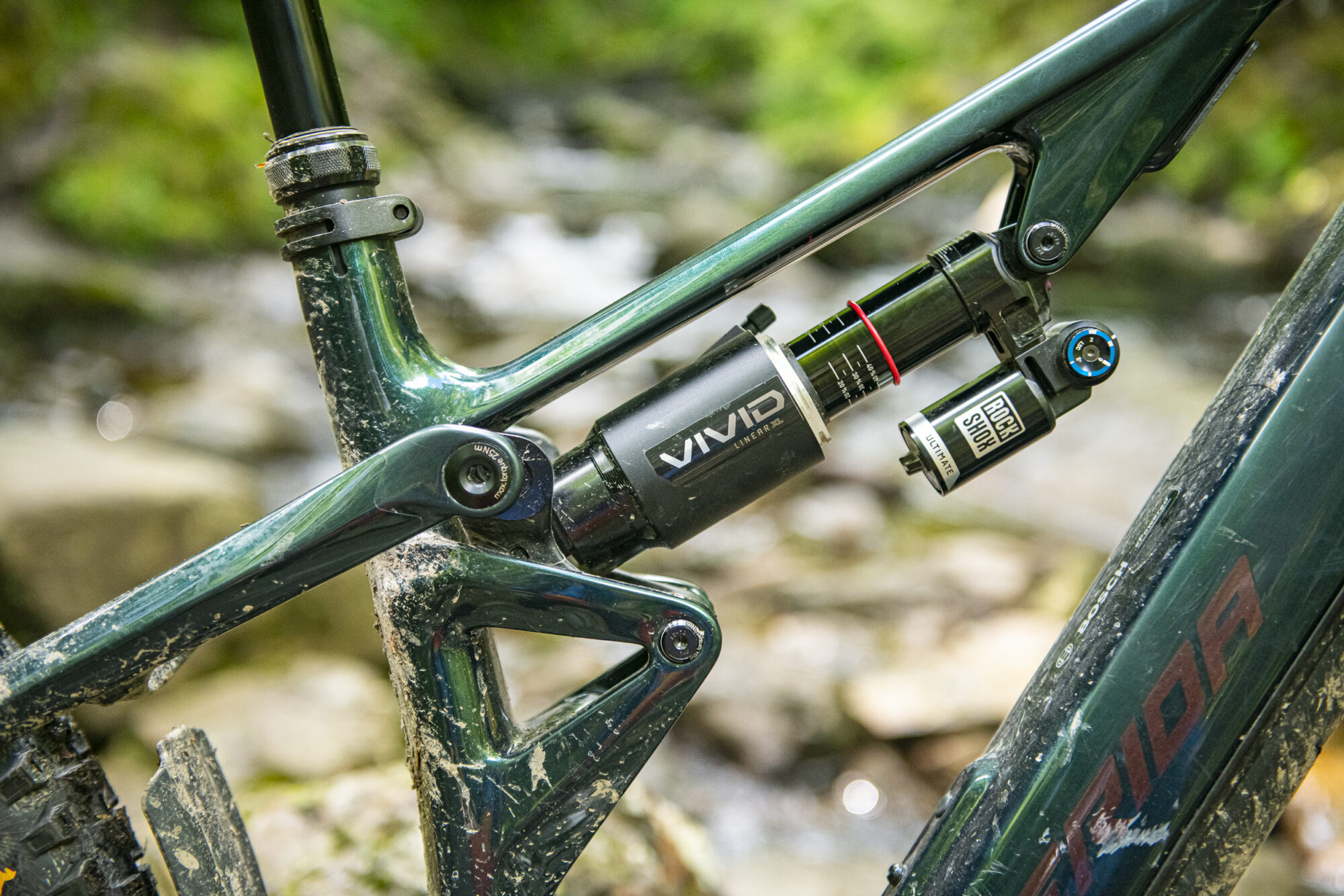
- Rockshox Vivid Air Ultimate shock
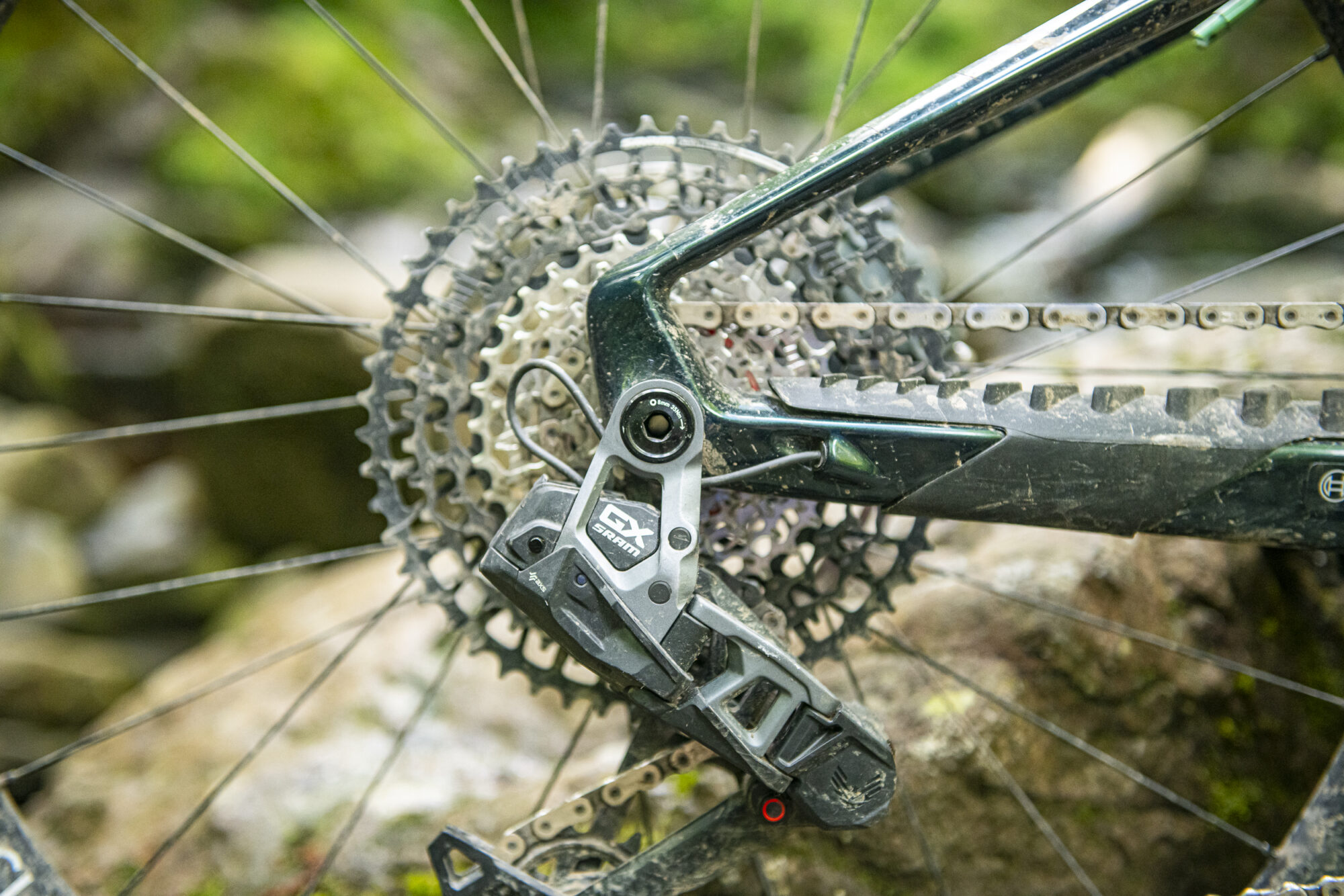
- SRAM GX AXS Eagle T-type 12-speed drive
- Bosch Performance Line CX-R motor
- Bosch Powertube 800Wh battery
- SRAM Maven Silver brakes
- DT Swiss HX1700 wheels
- Merida Team TR II dropper
- £8,500.00 RRP
- MeridaBikes.com

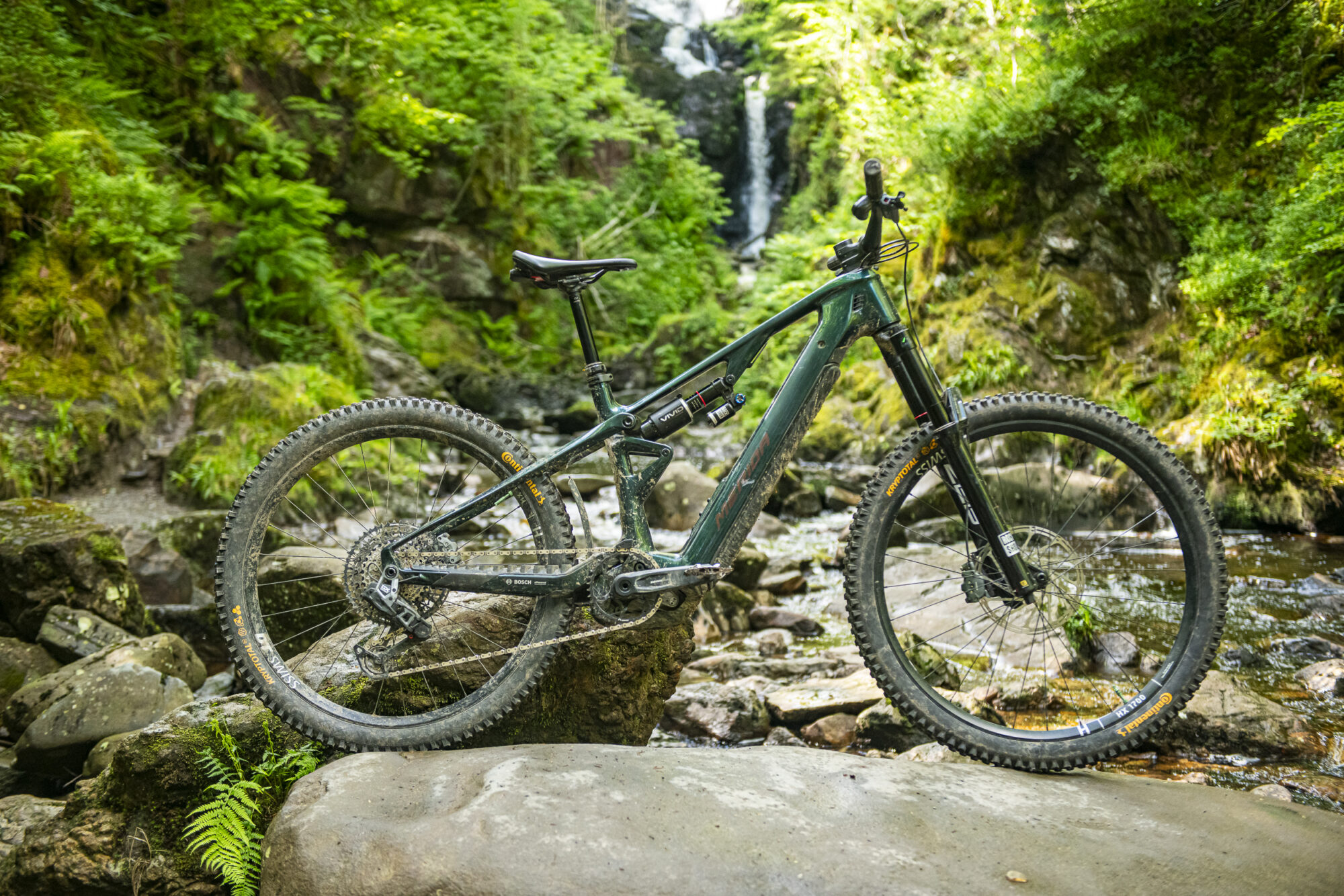
Merida’s new flagship ebike, the Lithos, is an eOneSixty evolved but pretty much the things that made the eOneSixty so good remain. There’s just subtle tweaks and a number of key details that help make it stand out against the rest of the pack.
You still get the Merida CF3 carbon frame, fine tuned for stiffness and compliance where they’re relevant. Housed in that carbon frame is the new fifth generation Bosch Performance Line CX-R motor offering up 120Nm and 750w peak power. Two different battery casings on the downtube allow you to run either a 600 or an 800Wh battery. Both can be run with a Powermore range extender.
Mullet wheels sit on 170mm forks and a rear triangle is a beefed up version of the eOneSixty SL rear end that does away with the rear triangle pivot. In the mullet format that the bikes comes in stock, rear wheel travel is 174mm. Run a 29″ rear wheel and you get 160mm travel out back.
Meridas with modern geometry are no longer a surprise since they had a major overhaul a few years ago. Taking cues from the eOneEighty, the front end is quite high, the aim being to give a balanced ride position. The long chainstays also aim to centre the rider in the bike.
Then there’s the details. The Lithos offers a break from the headset routing should you choose it, larger standard bearings are the norm, the lack of shock yoke eliminates side loads on the shock itself, chainstay and heel protection, only 4 or 6mm bolts throughout with tools on the bike, moulded carbon cable liners, a 230mm dropper on all sizes and all the battery options. No stone unturned.
What you see here is the Lithos 8000, middle of the three UK available models. There is the top tier 10000 which comes with Fix Podium forks, XO drivetrain and all the bells and whistles. Far from a stinker is the 5000 that kicks the range off.
The Lithos 8000 comes with a Rockshox Zeb and Vivid Ultimate, SRAM GX AXS T-type gears and Maven Silver brakes. Wheels are DT Swiss HX1700s with Continental Kryptotal Enduro tyres in Super Soft out front and Soft out back. Merida’s excellent finishing kit rounds things off. A Bosch CX-R motor is fed by a PowerTube 800Wh battery. All this sets you back £8,500.00.

Geometry
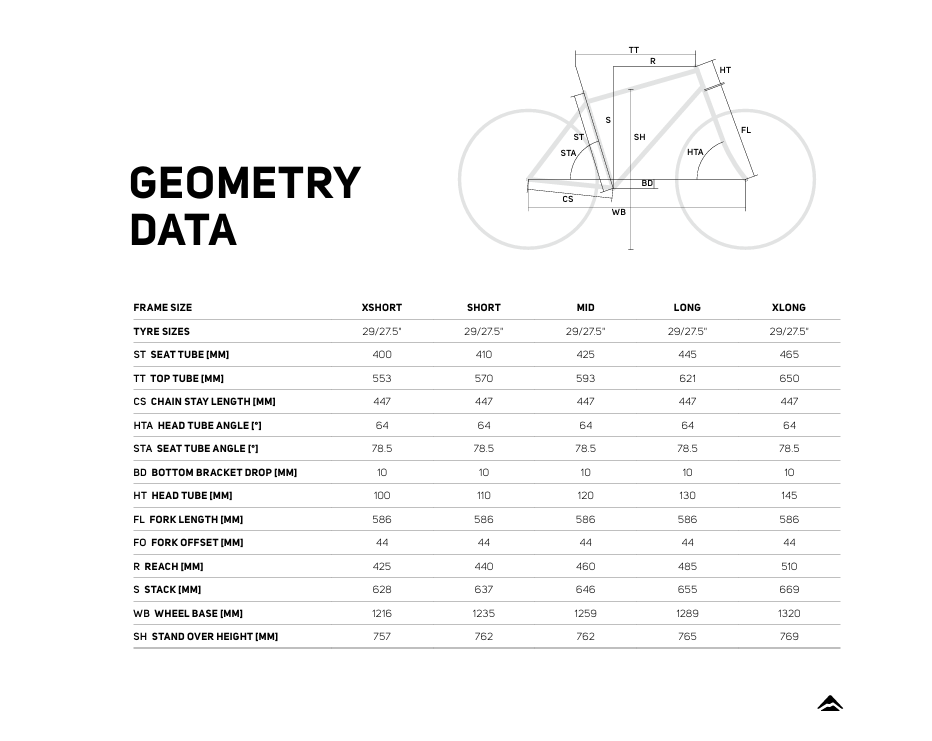
The Lithos is available in XShort, Short, Mid, Long and XLong.

Reach on the Mid is 460mm with a seat tube length of 425mm. Head angle is 64 degrees with a seat tube angle of 78.5 degrees. Chainstays are 447 across the sizes with a wheelbase on the Mid of 1259mm.
Opening moves
With all the twiddlers available on the Merida Lithos 8000, I definitely took my time getting this one set up. This would also be my first outing on the latest generation of Rockshox dampers too, so I was paying more attention than usual to suspension setup.
With sag set at 30%, rebound running pretty fast and just on the open side of middling on compression, we were off. 120Nm is plenty of punch, but unless you’re stamping away in EMTB or Race modes, the power is very well delivered. This, more than anything, is better than outright power.
I once again opted for a Mid size, as the Agilometer sizing allows me to run the longer reach compared to the Short (440 vs 460mm) with only a 10mm change in set tube length (410 vs 425mm). This in turn made the Lithos feel roomy whether on a technical climb or descent, allowing for me to move my weight around as I pleased.
120Nm and 750w peak power means most climbs are a doddle, and even low speed, technical affairs are handled well. Only when a wet rock or root appears does the rear wheel come unstuck. As with other 100Nm+ bikes, even with an 800Wh battery, anything above Tour+ or equivalent mode sees the battery percentage drop quite quickly. Fine tuning modes can offer the adjustability for what you happen to be riding but the extra power does shorten range when battery size remains the same. This isn’t Merida-specific, however.

The second this bike tips downhill, it wants to go. The press release said that the bike had been developed for carrying speed, and whilst I usually don’t pay too much attention to press release blurb, I can confirm that it is indeed very true.
Before long, the bike was going faster than my brain could compute and I was holding on and hoping to point it in the right direction. The rear end was tracking the ground a treat, although the beefier back end meant that the rear wheel would skitter on roots quite easily. There’s some work to do on the feeling of the fork, perhaps by taking out any air volume spacers to give them better suppleness off the top, but they didn’t feel awful.
Possibly the only gripe was Maven-related. Yes, they are very powerful but I find in the slow and slimy, they often lock the front wheel which can cause a moment of panic. This gets worse if it’s steep too. Getting the fork fine-tuned may solve this as well as shifting my weight further forward. That’s one for the full review.
Whilst we might shed a tear for the departure of the long-lived eOne-Sixty, the Merida Lithos is every bit filling the big shoes left by its predecessor. Riding this bike is like being shot out of a cannon. It’s on par weight-wise with other full power bikes and it’s certainly not as stiff in the frame as the Specialized Levo 4.